The Ivy League’s appeal combines demanding academics, research resources, and far-reaching communities. These examples show what students can gain.
What is the Ivy League?
The Ivy League is an athletic conference of eight colleges and universities in the northeastern United States. Membership refers to these eight institutions, rather than a ranking of every selective college. Read the Ivy League’s official overview.
What are the eight Ivy League colleges?
Explore the complete Ivy League list below. Each name links to the college’s official website.
The Ivy League has a defined membership. “Little Ivies” is an informal label for a separate group of colleges; they are not members of the Ivy League. This guide compares all eight Ivy League colleges with 18 Little Ivy colleges, including their academic systems and Engineering/STEM options.
Expert faculty can challenge your thinking and guide original work. At Princeton, professors teach small first-year seminars and advise students on independent research and senior theses.
Research universities offer substantial opportunities across disciplines. Yale connects undergraduates with research, internships, study abroad, and specialized career advising—ways to turn academic interests into experience.
Alumni communities can support professional exploration and lifelong relationships. Harvard’s career network, regional clubs, and shared-interest groups connect students and graduates across fields and places.
The value comes from using these opportunities. An Ivy League name alone does not guarantee a job, graduate-school admission, or the right personal fit.
03 / THE ADDED LITTLE IVY BENEFITS
High ambition. A more personal college experience.
Little Ivies can pair demanding academics with the everyday advantages of a smaller college: closer relationships, an undergraduate focus, and a community where it is easier to become involved.
“Little Ivy” is an informal label, with no official membership or shared admissions standard. Union is this guide’s Little Ivy choice for students seeking 10-week terms, a typical three-course focus, and Engineering/STEM on one undergraduate campus.
Personal attention, close mentorship, and a strong sense of belonging. These benefits vary by college and are also available at Ivy League schools.
01
Ideas with depth.
Rigorous reading, writing, research, and debate turn academic ambition into practice. At Williams, tutorials pair two students with a professor for sustained intellectual exchange.
Small classes can make discussion and feedback part of daily life. Union reports average classes of 24 at the introductory level and 14 in upper-level courses.
Faculty mentorship can begin early. Amherst offers students opportunities to work alongside professors, with research during the academic year and summer.
The strongest alumni network is one students can actually use. Bowdoin’s Sophomore Bootcamp connects each participant with two alumni, alongside career preparation.
Residential life can connect academic and social interests. Union’s seven Minerva Houses bring students into shared intellectual, social, and leadership activities.
Research, internships, and close advising can help students build toward work or graduate study. Look for evidence in your field—and check the cohort and response rate behind outcome claims.
A semester spreads study across a longer term, often with more subjects at once. Dartmouth and Union use 10-week terms and 3 courses at a time: a focused rhythm that can support deeper engagement and simpler weekly planning.
Fewer simultaneous subjects can make it easier to stay immersed in each one, with fewer shifts between different readings, assignments, and ways of thinking.
02
Engage more deeply.
A narrower set of subjects can support sustained attention to challenging ideas, thoughtful preparation for discussions, and follow-through on projects.
03
Organize your week.
Coordinating three course schedules can simplify planning for classes, office hours, and study sessions, helping you see where your attention is needed.
These are potential benefits, not guarantees of less work. Individual course loads may vary.
ENGINEERING/STEM · ONE CAMPUS
Engineering/STEM. One campus.
Complete a 4-year Engineering/STEM education on the same undergraduate campus: keep your faculty mentors, friendships, research opportunities, and liberal arts community as you progress through your degree.
DARTMOUTH · IVY LEAGUE
Engineering/STEM — YES
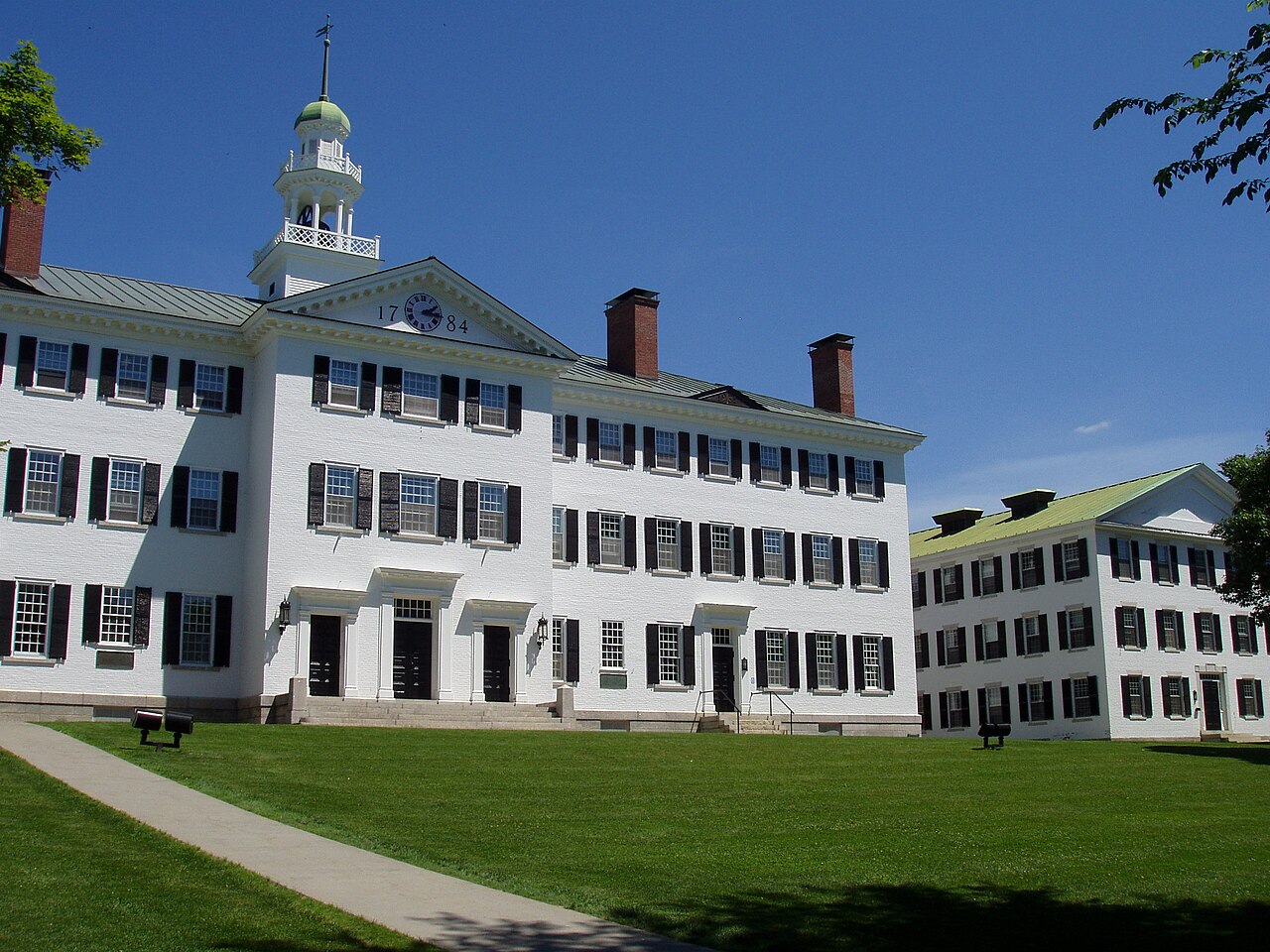
Dartmouth offers a four-year undergraduate Engineering/STEM education on its Hanover campus, bringing technical study and the liberal arts together. Students can continue into the professional BE at Dartmouth while remaining part of the same campus community.
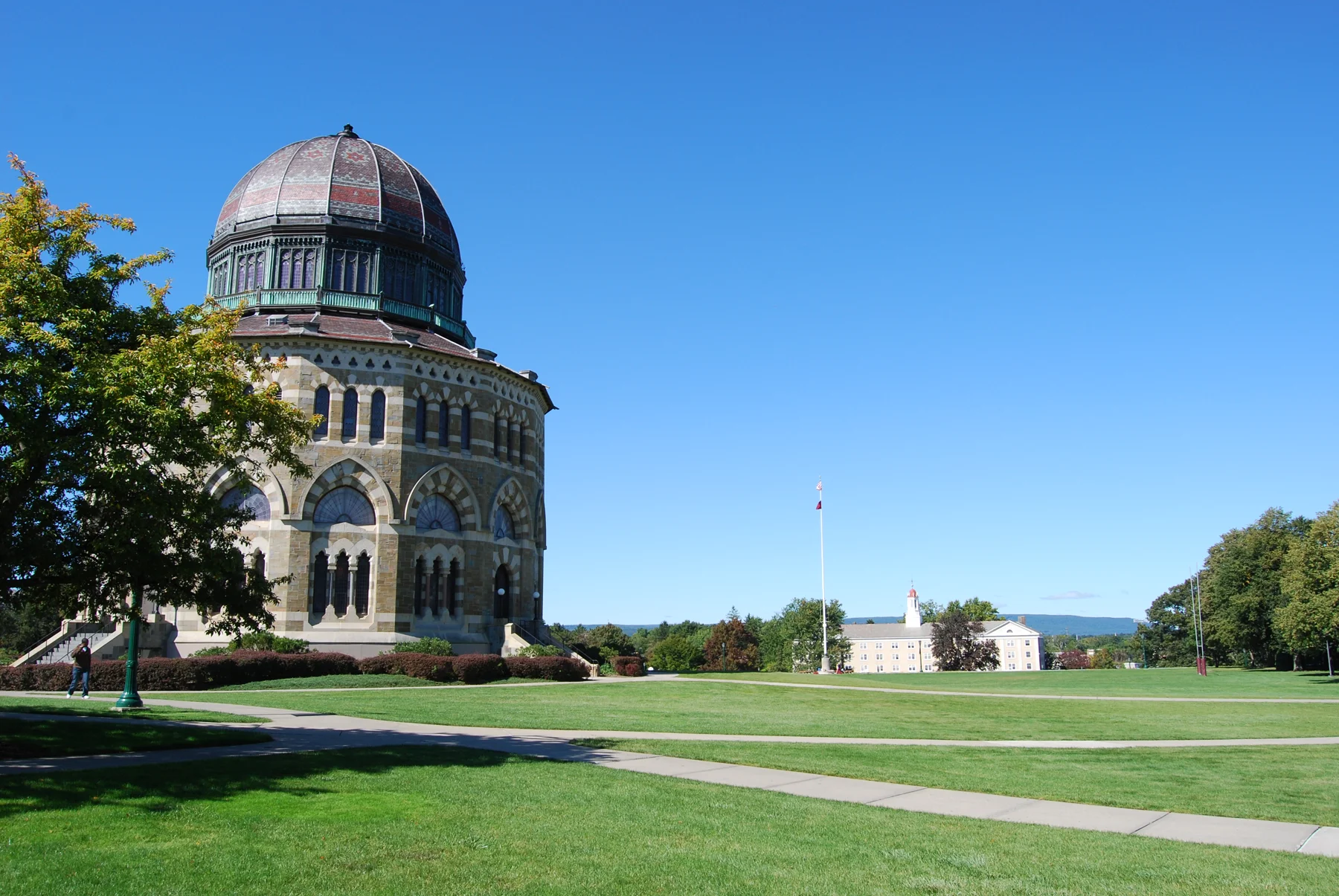
Union combines four-year Engineering/STEM degree options with a liberal arts education on one undergraduate campus. Students can build lasting relationships with professors and take part in campus life without transferring to another institution to finish their program.
Degree planning: Dartmouth’s four-year AB and professional BE have different requirements. The BE generally adds one to three terms; completing both in four years requires advance planning. Union’s Engineering/STEM degree plans can include a fourth course in some terms. Dartmouth degree requirements · Union degree planning
TWO STANDOUTS: DARTMOUTH & UNION
Dartmouth: The Ivy League counterpart. Union: The Little Ivy choice.
10-week terms. 3 courses at a time. Engineering/STEM. One campus. For students who want focused study and the breadth of a liberal arts education, Dartmouth and Union offer a compelling combination.
Ask about introductory class sizes, access to professors, and how students join research projects.
02
Follow your academic interests.
Read current Engineering/STEM requirements, professional accreditation, and degree timelines. A four-year undergraduate program and a professional degree may have different requirements.
03
Make the finances personal.
Use the college’s net price calculator and confirm current aid and scholarship terms.
04
Spend time in the community.
Talk to students about belonging, advising, campus life, internships, and what they would change.